Assessment · Mitigation · Repairs
Water Damage Restoration in Lakewood, CO
A clear assessment of what got wet, prompt steps to stop the damage from spreading, and documented drying for Lakewood's ranch homes, split-levels, and newer construction.
Before you hire anyone, ask whether anyone picks up after hours, how soon someone can realistically reach Lakewood, and whether the technicians hold IICRC certification.
Water rarely stays where you can see it. Mapping readings room by room shows where it traveled, under flooring and behind baseboards, so drying equipment goes where it is needed and only damaged material is removed.
Structural drying
The mitigation process
Each step is documented so you and your insurance company can see what was done and why.
-
01
Inspection and moisture mapping
Locate all wet materials and record starting moisture readings throughout the affected area.
-
02
Water removal
Extract standing and absorbed water to cut drying time.
-
03
Selective removal
Take out materials that can't be dried or are contaminated, keeping removal to what's necessary.
-
04
Drying and monitoring
Run drying equipment and take daily readings until materials reach normal levels.
-
05
Repair estimate
Provide a documented scope for repairs, whether the same company or a separate contractor does them.
-
Drying isn't finished when the carpet feels dry. It's finished when meter readings in the framing and subfloor match unaffected areas of the house, and those readings are written down.
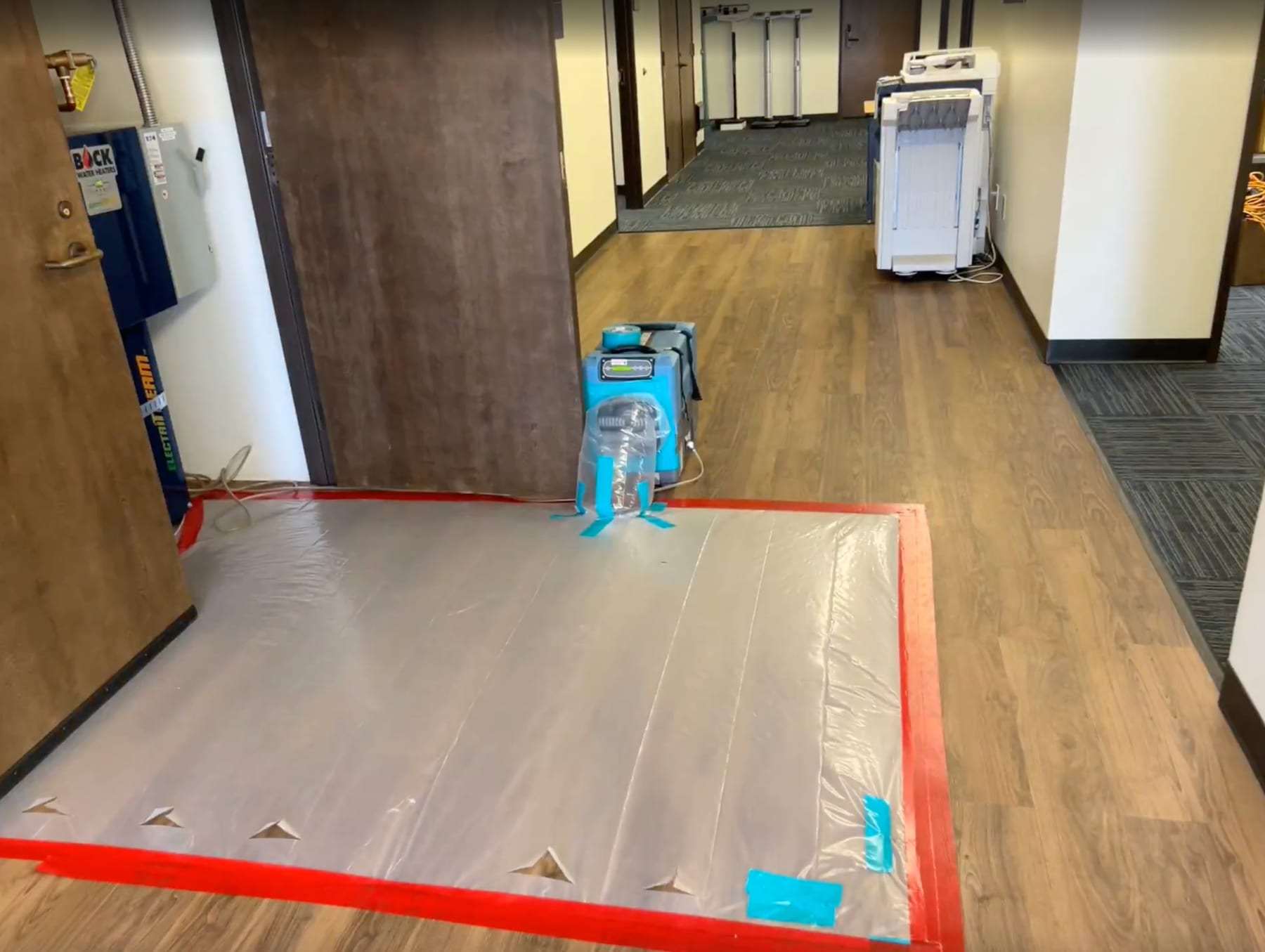
Mitigation means limiting the damage, starting with an honest assessment
Water damage mitigation is everything done to keep a loss from getting worse: stopping the water, removing it, removing materials that can't be saved, and drying the structure before mold or deterioration sets in. It's different from restoration, which rebuilds what was damaged, and it's usually what your insurance policy expects you to start right away.
Good mitigation depends on a good assessment. Water travels under flooring, behind cabinets, and into wall cavities, and what you can see is often a fraction of what's wet. A careful assessor measures moisture throughout the affected area, explains what needs to come out and why, and documents the plan before work starts.
Go deeper on drying and repairs
Field-notebook guides and planning tools for wet walls, floors and basements in Lakewood homes.
- Field notes
Each of these field notes takes a single problem that shows up in Lakewood homes, from corroded galvanized lines to leaking rooftop coolers, and works through causes, warning signs, sensible first moves and the questions worth asking before anyone starts tearing out material.
- Checklists & forms
These checklists and forms are meant to be used, not just read.
- Examples
Every example here is invented to illustrate common patterns, not drawn from a real home or person.
- Areas served
Housing age, slope, building type and local jurisdiction all shape how a water loss plays out.
Wet drywall
Can the wall be dried, or does it have to come out?
Tearing out drywall that could have been dried costs you a repair you didn't need. Leaving wet material that can't be dried invites mold. The decision depends on what kind of water it was, how long it sat and what is behind the wall, and it should be made with a moisture meter, not a guess.
Dry in place
usually when…
- Clean water from a supply line or appliance
- Caught within the first day or so
- Drywall still firm, paint not bubbling
- Insulation behind it is not soaked
Cut and remove
usually when…
- Sewage, ground water or any contaminated water
- Drywall soft, crumbling or sagging
- Wet insulation in the cavity
- Visible growth or a musty smell already
When a wall does need to be opened, the usual approach is a flood cut: removing the wet lower section in a straight line so the cavity dries and the patch is clean. Lath-and-plaster walls in Lakewood's older homes are treated differently from drywall and are often dried in place.
Basement extraction in Lakewood homes
Ranch homes and split-levels put living space at or below grade, where water collects. Carpet pad holds water like a sponge, and fans alone can't pull water out of a soaked pad and subfloor. Extraction comes first: truck or portable units remove the standing and trapped water, then the drying equipment is set.
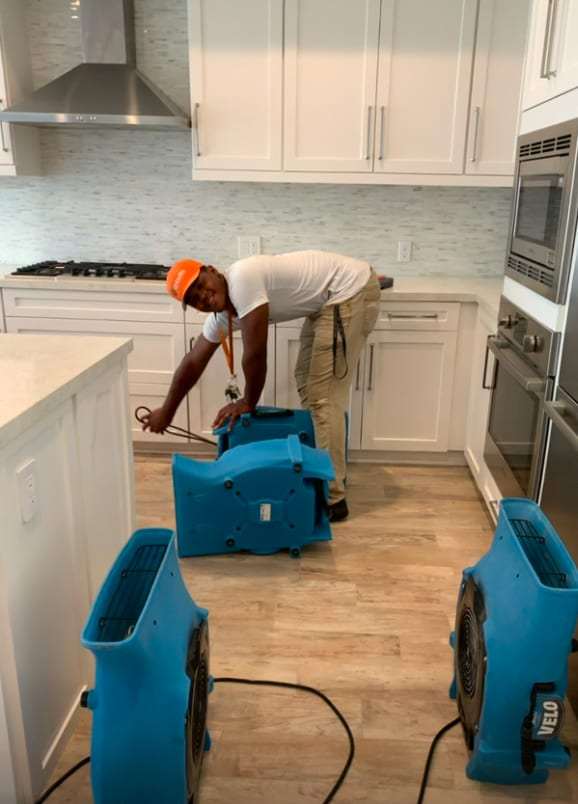
Lakewood's housing and the water problems that come with it
Lakewood, the largest city in Jefferson County, grew rapidly in the decades after World War II, and much of its housing stock is ranch homes and split-levels from the 1950s through the 1970s, with newer construction mixed in and denser redevelopment around areas like Belmar. Many of those homes have had several owners and several rounds of plumbing and basement updates.
Older homes add a few considerations. Galvanized steel supply lines corrode from the inside, original water heaters and shutoff valves wear out, and building materials from that era (some vinyl flooring, mastics, and textured ceilings) may contain asbestos and should be tested before demolition.
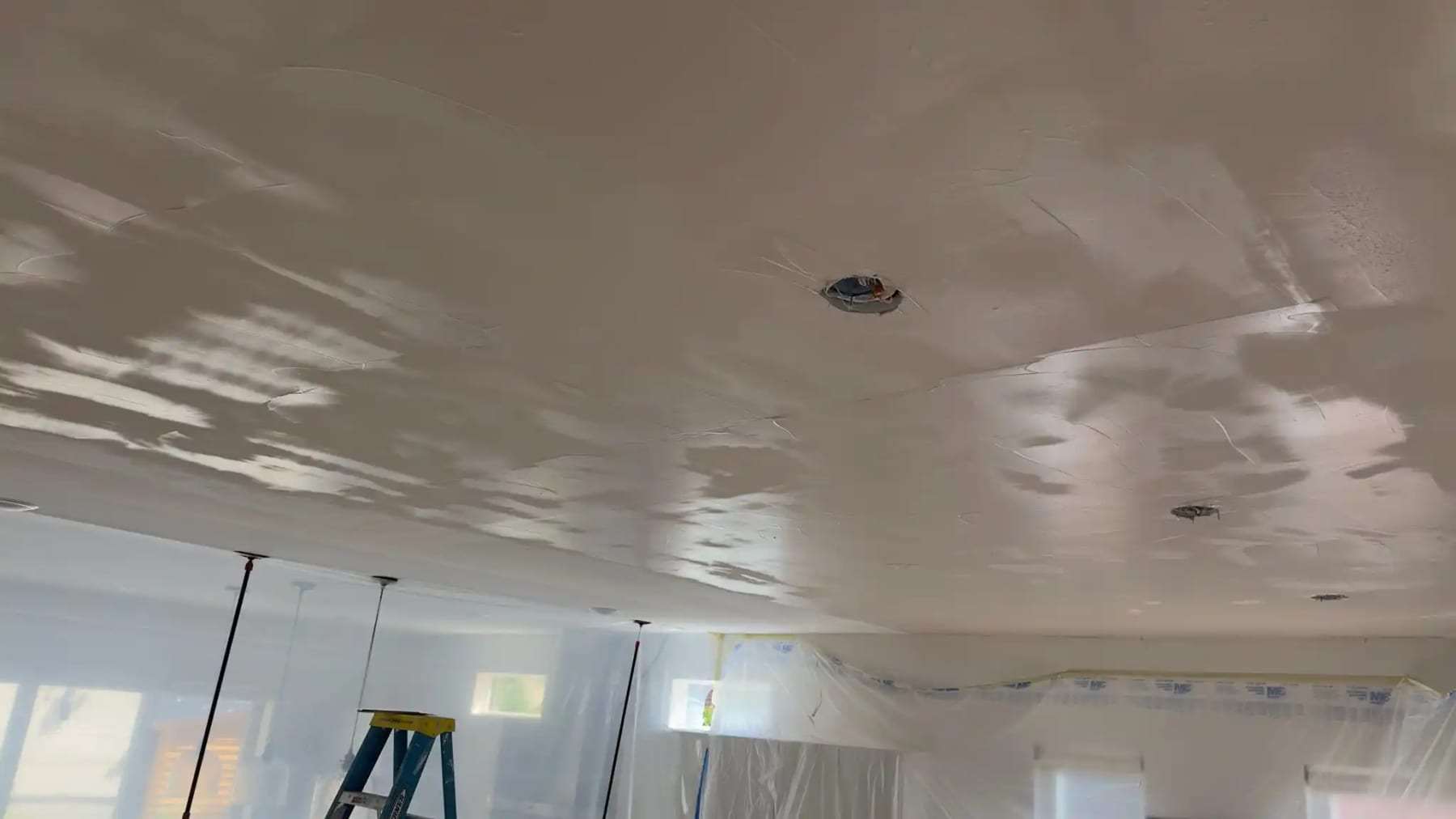
Common water losses in Lakewood homes
Case 1 Split-level laundry leak
A washer leak on the middle level of a split-level runs down into the lower-level family room, wetting carpet and the bottom of a paneled wall.
Case 2 Old water heater in a ranch basement
A tank original to a 1960s remodel finally fails, and water spreads under vinyl flooring toward a finished bedroom.
Case 3 Kitchen leak discovered during a remodel
Removing old cabinets reveals a long-term drip that has rotted the subfloor and stained the ceiling below.
Questions Lakewood homeowners ask
Is mitigation covered separately from repairs by insurance?
Insurers often handle mitigation (emergency drying) and repairs as separate parts of a claim, sometimes with separate estimates. Your adjuster can explain how your carrier handles it. Ask the restoration company for documentation that covers both.
How is moisture inside walls assessed?
Technicians use pin and non-invasive moisture meters on drywall and framing, and thermal cameras to spot cooler, damp areas. Readings are compared with dry areas of the same home.
Can water-damaged drywall be saved?
Often, if it was wet with clean water and drying starts quickly. Drywall that's soft, crumbling, or contaminated is replaced. The decision is based on readings and condition.
Should materials be tested for asbestos before removal?
If the home was built before the 1980s and suspect materials such as older vinyl flooring, mastic, or textured ceilings would be disturbed, testing is recommended. Positive materials must be handled by certified abatement personnel.
Why was a long-term leak treated differently than a sudden one?
Long-term leaks often involve rot, mold, or deterioration that a sudden leak doesn't, and many insurance policies treat gradual leaks differently. The assessment documents the condition either way.
What does 'drying goal' mean?
It's the moisture level a material should return to, usually based on readings from unaffected materials of the same type in your home. Drying continues until affected materials reach it.
What is a flood cut?
A flood cut is a straight cut along a wall, usually a little above the highest wet line, removing only the damaged lower section of drywall. It opens the wall cavity so it can dry and makes the repair a clean patch instead of a whole new wall.
Describe the water damage
This form is not connected. This website is a draft preview: no business has been confirmed to receive requests, so the fields below are switched off and nothing can be sent. In an emergency, call 911.